
Storm Damage Repair — We’ll Help You Fix What’s Broken
Storm damage can leave you stressed and unsure where to start.
Maybe hail pounded your roof. Maybe high winds ripped off shingles or blew debris into your siding. Maybe you’re looking at visible damage and wondering what else might be wrong that you can’t see yet.
The good news: storm damage can be fixed. And the process doesn’t have to be confusing.
At Prolific Exteriors, we help homeowners move forward after storms by inspecting what happened, documenting the damage thoroughly, working with your insurance company, and coordinating all the exterior repairs your home needs.
This page will help you understand what counts as storm damage, what to do after a storm, and how professional inspections and coordinated repairs can protect your home and give you peace of mind.
What Qualifies as Storm Damage?
Storm damage isn’t always obvious. Sometimes it shows up right away. Other times, it stays hidden until weeks or months later.
Common types of storm damage include:
Hail damage: Hail can bruise or crack roofing materials, dent siding, and damage gutters. Even small hail can shorten the life of your roof or siding without leaving obvious holes.
Wind damage: Strong winds can lift shingles, loosen siding panels, or pull flashing away from edges and seams. Wind damage often looks small from the ground but can let water in over time.
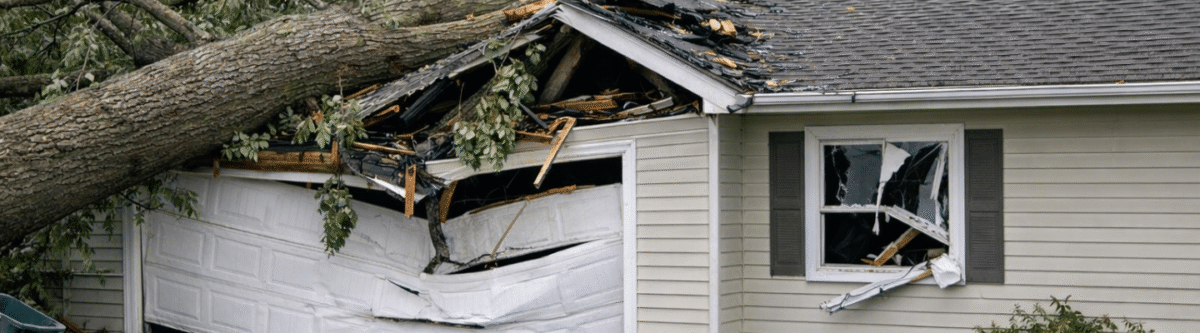
Fallen debris or trees: Branches, debris, or full trees can hit roofs, siding, gutters, and windows. Even if the damage looks limited, the force can cause hidden problems.
Heavy rain intrusion: Wind-driven rain can find its way into places it normally wouldn’t, especially if seals, flashing, or materials were already stressed.
Ice and winter storm damage: Ice buildup, freezing rain, and heavy snow can strain gutters, damage roof edges, and cause water to back up into the home.
You don’t need to know exactly what happened or how serious it is. If a storm passed through and something feels off, that’s reason enough to have things checked.
Types of Exterior Damage We Repair
Storm damage rarely affects just one part of a home. That’s why this page isn’t limited to a single service.
Roof Damage: Storms can damage shingles, flashing, vents, and roof edges. Sometimes the damage is visible. Other times it shows up later as leaks or early wear. Roof repair or roof replacement may be needed depending on how bad the damage is.
Siding Damage: Hail, wind, and debris can crack, loosen, or dent siding. Damaged siding isn’t just about looks. It can expose your home to moisture and bigger problems if left alone.
Gutter Damage: Gutters often take a beating during storms. They can be bent, pulled loose, or filled with debris. Good drainage is critical after a storm, especially during heavy rain.
Window and Trim Damage: Storms can damage window frames, trim, soffits, and fascia. These areas help seal and protect your home. Damage here can let water and pests in if ignored.
The goal isn’t to overwhelm you with details. It’s to show that storm damage often affects multiple exterior systems at once. And those systems work together to protect your home.
What to Do After a Storm
After a major storm, it’s normal to feel unsure about what to do. These simple steps can help.
Start with safety: If there are downed power lines, structural problems, or major hazards, stay clear and follow local safety guidance.
Protect what you can: If water is actively getting into your home, temporary protection may be needed until a professional can check the damage.
Schedule a professional inspection: Even if damage looks minor, a trained eye can spot issues that aren’t visible from the ground.
Don’t ignore hidden damage: Many storm problems start small. Catching them early can prevent more costly repairs later.
You don’t need to climb on the roof or figure out the problem yourself. That’s what inspections are for.
Storm Damage Inspections
A storm damage inspection is one of the most important steps after severe weather.
Inspections help identify both visible and hidden damage across your home’s exterior. This includes roofing, siding, gutters, and related parts.
During an inspection, we look for signs of impact, movement, water intrusion, and material failure that may not be obvious right away. We also document what we find so you have clear information about your home’s condition.
This documentation can be helpful whether you’re planning repairs right away or still deciding what to do next.
Inspections aren’t about pressure or sales. They’re about clarity.
Insurance Claims Support
Storm damage often raises insurance questions, and that can be one of the most stressful parts of the process.
We help homeowners by:
- Providing clear documentation of storm-related damage
- Explaining the scope of exterior repairs in plain language
- Communicating with insurance adjusters when needed
Our role is to support you with information and documentation, not to overwhelm you with fine print or jargon.
Insurance coverage varies, and every situation is different. Our goal is to help you understand what repairs may be needed and how those repairs relate to what your insurance provider is reviewing.
Many homeowners find that this guidance alone makes the process feel much more manageable.
Coordinated Exterior Repairs
Storm damage rarely fits neatly into one category.
A storm might damage the roof, loosen siding, bend gutters, and affect trim all at once. When multiple contractors are involved, repairs can become delayed, confusing, or inconsistent.
One advantage of working with a full-service exterior contractor is coordination.
We help by:
- Managing repairs across multiple exterior systems
- Reducing scheduling conflicts and delays
- Making sure repairs work together, not in isolation
Roofing is often part of storm recovery, but it’s only one piece of the larger picture. Coordinated repairs help restore your home’s exterior as a whole, not just one section at a time.
Our Service Area
Prolific Exteriors is based in Mexico, Missouri, and serves homeowners throughout Central Missouri, including the Columbia area. View our Towns Served page for more info.
If a storm has affected your home and you’re unsure where to turn, we’re here to help you take the next step. Reach out as soon as you notice something wrong!


GET A FREE ROOF INSPECTION FOR YOUR HOME
Storm Damage FAQs
How long do I have to file a storm damage claim?
Most insurance policies require claims to be filed within one year of the storm, but deadlines vary by policy. It's best to act quickly. Even if you're not sure about the extent of the damage, getting an inspection soon after a storm protects your options.
Do I need to get multiple estimates for insurance?
Some insurance companies require multiple estimates, but many don't. We'll provide a detailed, itemized estimate that documents all the damage and necessary repairs. If your insurance company requests additional estimates, we'll explain what you need.
What if my insurance claim is denied?
If your claim is denied, we can help you understand why and whether an appeal makes sense. Sometimes claims are denied because damage wasn't documented thoroughly. We provide detailed reports and photos that support your case.