
Choosing a roofing material is one of the most important decisions a homeowner can make. The right choice affects not only how a home looks, but how well it holds up over time, how easy it is to maintain, and how predictable future repair costs will be.
While there are many roofing products on the market, not every material is appropriate for every home. Roof slope, structure, ventilation, long-term plans, and local weather conditions all play a role in determining what makes sense.
Prolific Exteriors installs several roofing systems, but asphalt shingles remain the most common choice for residential homes. Metal roofing and EPDM systems are also available when a project calls for them. This page explains how these materials compare and why asphalt shingles continue to be the most practical option for many homeowners.
For a general overview of available services, you can also visit our Roofing Services page.
Why Roofing Material Choice Matters More Than Many Homeowners Expect
Roofing problems are not always caused by poor installation or defective products. In many cases, issues arise because the roofing material selected was not well suited to the structure of the home or the conditions it faces over time.
Some materials prioritize longevity but come with higher upfront costs. Others offer affordability and flexibility but require a more realistic understanding of maintenance and lifespan. No roofing material is perfect for every situation.
Understanding how different roofing systems behave helps homeowners make informed decisions instead of relying on marketing claims or assuming that the most expensive option is always the best.
Homeowners are often told to focus on product names, shingle ratings, or advertised lifespans, but those details only tell part of the story. A roofing material does not exist in isolation. It becomes part of a larger system that includes the roof structure, ventilation, insulation, flashing, and even how the home is used day to day.
A material that performs well on one home may underperform on another if the roof geometry, attic conditions, or drainage patterns are different. That is why material selection should never be treated as a checklist item. It is a decision that benefits from context, explanation, and realistic expectations rather than quick comparisons or marketing claims.
Taking the time to understand how materials behave over time often leads to better outcomes, fewer surprises, and a roof that feels like a sensible investment rather than a gamble.
Asphalt Shingle Roofing (Primary Residential Option)
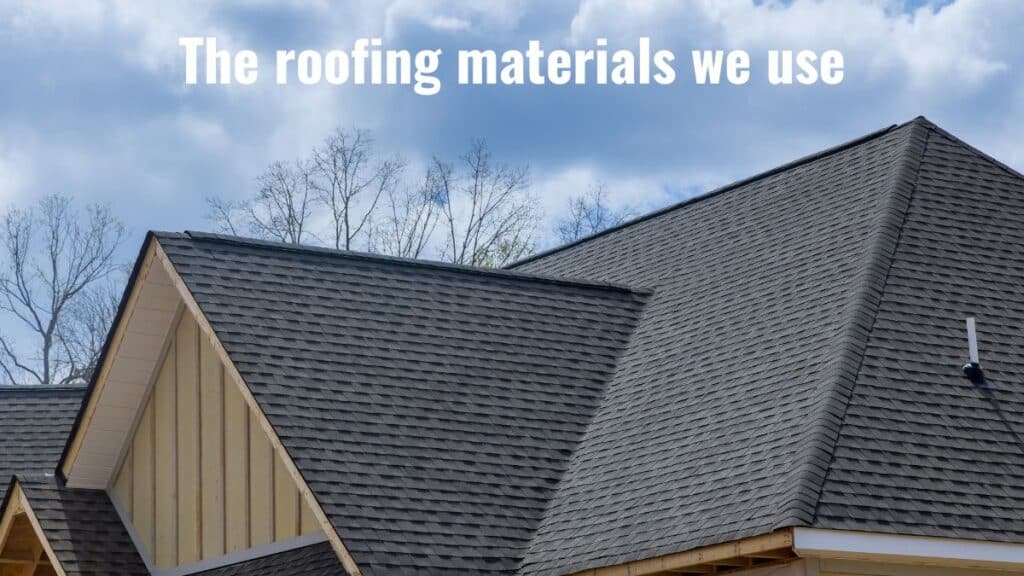
Asphalt shingles are the most frequently installed roofing material on residential homes. Their continued popularity is the result of decades of proven performance, design flexibility, and practical long-term ownership benefits.
For many homeowners, asphalt shingles offer the best balance of cost, durability, and appearance without introducing unnecessary complexity.
Why Asphalt Shingles Are the Most Common Residential Roofing Choice
Asphalt shingles work well on a wide range of roof designs and pitches. They are compatible with most residential structures and are familiar to inspectors, insurance providers, and contractors alike.
Homeowners often choose asphalt shingles because they offer:
-
Predictable performance over time
-
Straightforward installation and repair
-
Broad color and style options
-
Lower upfront cost compared to premium systems
-
Flexibility when future repairs or partial replacements are needed
Another reason asphalt shingles remain so widely used is familiarity. Most homeowners have lived under an asphalt shingle roof at some point, which makes it easier to understand what normal aging looks like and when attention may be needed. Contractors, inspectors, and insurance adjusters also know what to look for, which can simplify future repairs or evaluations.
Asphalt shingles also offer flexibility over the life of the home. If a localized issue develops, repairs can often be handled without disturbing the entire roof. That flexibility is harder to achieve with some premium roofing systems, where even small repairs may be more involved.
For homeowners who value predictability and practicality, asphalt shingles continue to make sense not because they are perfect, but because they are well understood.
When installed correctly and paired with proper ventilation, asphalt shingle roofs can provide many years of dependable service while remaining relatively easy to maintain.
Owens Corning Asphalt Shingles
Prolific Exteriors installs Owens Corning asphalt shingles, a manufacturer known for consistent quality and a wide range of residential roofing products.
Owens Corning offers multiple shingle styles designed to accommodate different budgets, architectural styles, and homeowner preferences. This allows material selection to be tailored to the home rather than forcing a one-size-fits-all solution.
Rather than focusing on a single product line, Owens Corning’s range makes it easier to balance appearance, performance, and long-term expectations.
Architectural vs Traditional Asphalt Shingles
Not all asphalt shingles are the same. Two common categories are traditional three-tab shingles and architectural (also called dimensional) shingles.
Traditional shingles have a flatter, more uniform appearance and are often selected for budget-focused projects or properties where simplicity is the priority.
Architectural shingles are thicker and layered, creating more depth and visual texture. Many homeowners prefer architectural shingles because they provide a more substantial appearance and enhanced durability compared to basic options.
Choosing between these styles depends on budget, desired appearance, and how long the homeowner plans to remain in the home.
How Asphalt Shingles Perform in Missouri Climate Conditions
Missouri experiences a wide range of weather throughout the year, including heat, cold, rain, wind, and seasonal temperature swings. Asphalt shingles are engineered to perform reliably under these conditions when installed correctly.
Modern asphalt shingles are designed to:
-
Shed water efficiently
-
Resist wind uplift
-
Tolerate freeze-and-thaw cycles
-
Handle prolonged sun exposure
Proper installation matters as much as the shingle itself. Underlayment, flashing, ventilation, and attic airflow all play a role in how well a roof performs over time. When these elements work together, asphalt shingles provide dependable protection for typical residential conditions.
Seasonal changes place steady stress on a roofing system. Expansion and contraction, repeated wet and dry cycles, and prolonged sun exposure all contribute to gradual wear. Asphalt shingles are designed with these realities in mind, which is why proper installation and ventilation matter as much as the shingle itself.
When ventilation is inadequate, heat and moisture can build up in the attic, accelerating aging and increasing the likelihood of premature issues. When flashing or underlayment details are overlooked, even a durable shingle may not perform as intended. In other words, the material and the installation cannot be separated.
This is also why advertised lifespan numbers should be viewed as guidelines rather than promises. Real-world performance depends on how the entire roofing system works together over time.
Color, Appearance, and Long-Term Considerations
One of the advantages of asphalt shingles is the wide range of available colors and blends. Color choice affects more than just curb appeal. It also influences how the roof complements siding, trim, brick, or stone.
When selecting a shingle color, homeowners often consider:
-
How the roof coordinates with the rest of the exterior
-
Whether the color feels timeless or trend-driven
-
Long-term resale considerations
Prolific Exteriors helps homeowners think through these factors so the final selection feels intentional rather than rushed.
For a deeper look at color selection, see our guide on Choosing Roof Shingle Colors.
Why Installation and Ventilation Matter as Much as the Shingle Itself
Even the best roofing material will underperform if it is not installed properly. Installation quality affects how well a roof handles moisture, temperature changes, and long-term wear.
Ventilation is especially important for asphalt shingle roofs. Proper airflow helps regulate attic temperatures, reduces moisture buildup, and supports consistent performance across seasons.
This is why material choice should never be separated from installation planning. The goal is not just to install shingles, but to install a complete roofing system that works as intended.
Homeowners sometimes focus heavily on choosing the “right” shingle while underestimating how much the surrounding details influence performance. Valleys, transitions, penetrations, and edges are often where problems begin, not in the field of the shingles themselves.
A thoughtful installation approach considers how water will move across the roof, where ice or debris may accumulate, and how air will circulate through the attic. Addressing these factors during installation helps the roof age more evenly and reduces the likelihood of isolated trouble spots developing lat
Maintenance and Repair Expectations for Asphalt Shingles
Asphalt shingles are relatively forgiving compared to many other roofing systems. Routine maintenance typically involves periodic visual inspections, clearing debris from valleys and gutters, and addressing damaged shingles promptly.
One of the practical benefits of asphalt shingles is repairability. If damage occurs, repairs are often localized rather than requiring full replacement. This makes long-term ownership more predictable and manageable.
Normal aging does not always mean immediate replacement is necessary. Understanding what is expected versus what signals a larger issue helps homeowners make informed decisions.
Regular maintenance does not need to be complicated. In many cases, simply paying attention after major weather events and addressing small issues early can extend the useful life of a roof. Missing or damaged shingles, for example, are often easier to deal with when caught quickly rather than after secondary damage occurs.
Understanding the difference between cosmetic aging and functional problems also helps homeowners make better decisions. Not every change in appearance signals a need for immediate action, and not every roof issue requires full replacement.
How Asphalt Shingles Compare to Other Residential Roofing Materials
Compared to metal roofing, asphalt shingles typically have a lower upfront cost and are easier to repair. While metal roofs may offer longer service life, asphalt shingles remain the most practical choice for homeowners who value flexibility, predictable maintenance, and broad design options.
Asphalt shingles also integrate well with most existing roof structures, which can reduce complexity during replacement projects. For many homeowners, this balance makes asphalt shingles the most sensible option overall.
Metal Roofing as an Alternative Residential Option
Metal roofing is available for homeowners who prioritize longevity, reduced routine maintenance, or a specific architectural style. While metal roofing is not the most common residential choice, it can be appropriate in certain situations.
When Metal Roofing Makes Sense
Metal roofing may be a good fit for homeowners who:
-
Plan to remain in the home long-term
-
Prefer a modern or distinctive appearance
-
Want reduced maintenance compared to shingles
Because metal roofing typically involves a higher upfront investment, it is usually selected after careful consideration of long-term goals rather than as a default option.
AG Panel and Standing Seam Metal Roofing
AG panel metal roofing uses exposed fasteners and a straightforward profile. It is often chosen for its durability and practical appearance.
Standing seam metal roofing features concealed fasteners and raised seams, creating a cleaner look and reducing potential water entry points.
Both systems serve specific needs, but neither replaces asphalt shingles as the standard choice for most residential homes.
EPDM Roofing for Flat and Low-Slope Roofs
EPDM roofing is a synthetic rubber membrane designed for flat or low-slope roofs. It is not typically used on standard sloped residential roofs.
Where EPDM Is Typically Used
EPDM is commonly installed on:
-
Commercial buildings
-
Flat roof sections
-
Residential additions with low-slope designs
This material is selected based on roof geometry rather than appearance.
Why EPDM Is Not a Standard Residential Roofing Material
Most residential roofs are sloped, making asphalt shingles or metal roofing more appropriate. EPDM fills a specific role and is evaluated on a case-by-case basis when flat roofing conditions exist.
How Prolific Exteriors Helps Homeowners Choose the Right Material
Selecting a roofing material is not about pushing one option over another. Prolific Exteriors evaluates each project based on roof structure, design, and long-term needs.
The goal is to recommend a material that performs well for the specific property rather than forcing a solution that may not be appropriate.
If you have questions about material options for your roof, you can contact Prolific Exteriors to discuss your project and review available choices:
https://prolificexteriors.com/contact/
Frequently Asked Questions
Ready to Talk Through Your Roofing Options?
Choosing a roofing material is not about finding the “best” option in general. It is about finding the right option for your home, your budget, and your long-term plans.
If you are considering a roof replacement or have questions about asphalt shingles, metal roofing, or flat roof systems, Prolific Exteriors can help you evaluate your options and understand what makes sense for your specific property.
You can reach out when you’re ready to discuss your project or request an estimate.