
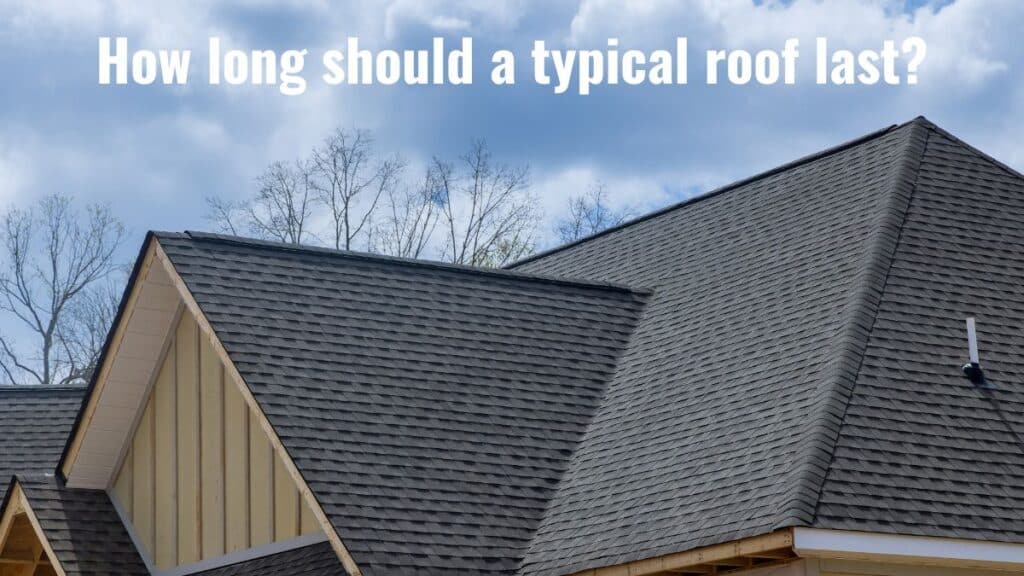
Have You Ever Looked Up at Your Roof and Wondered How Long It Will Last?
Have you ever looked up at your roof and wondered how many more years it has left before it needs to be replaced? For many homeowners, the roof is easy to forget about until something goes wrong — a leak, missing shingles, or visible wear after a storm. Understanding how long a typical roof lasts is an important part of planning for home maintenance, budgeting wisely, and avoiding unexpected repairs.
In Central Missouri, roofs are exposed to a wide range of conditions throughout the year. Hot summers, cold winters, heavy rain, strong winds, and seasonal storms all take a toll on roofing materials over time. Because of this, roof lifespan is not a fixed number. It depends on the materials used, how well the roof was installed, how it is ventilated, and how consistently it is maintained.
At Prolific Exteriors, we help homeowners throughout the region understand the real-world performance of their roofs and make informed decisions about repairs or replacement. Whether you are evaluating an aging roof or planning ahead for a future upgrade, this guide explains what affects roof longevity and what you can realistically expect from different roofing systems.
To learn more about the roofing services we offer, including inspections, repairs, and replacements, visit our main roofing page.
Understanding the Average Lifespan of Different Roof Types
When homeowners ask, “How long does a typical roof last?” the answer depends largely on the type of roofing material. Each material offers different benefits, costs, and expected service life, especially when installed and maintained in Missouri’s climate.
Asphalt Shingle Roof Lifespan
Asphalt shingles are the most common roofing material used on residential homes in Central Missouri. They are popular because they balance affordability, durability, and visual appeal.
Under normal conditions, a properly installed asphalt shingle roof typically lasts:
-
20 to 30 years for standard architectural shingles
-
15 to 20 years for older or lower-grade three-tab shingles
Higher-quality architectural shingles can sometimes last longer, especially when paired with proper ventilation, quality underlayment, and routine maintenance.
Prolific Exteriors installs manufacturer-approved asphalt shingle systems designed to perform well in our region’s temperature swings and seasonal storms. Homeowners can explore color options and learn more about shingle construction and warranty considerations on our roof shingle color guide.
While manufacturer warranties may advertise long coverage periods, real-world lifespan still depends on installation quality, attic ventilation, storm exposure, and ongoing care.
Metal Roof Lifespan
Metal roofing is known for its longevity and durability. When properly installed, many metal roofing systems can last 50 years or more, making them an attractive option for homeowners looking for long-term value.
Metal roofs offer several advantages in Missouri’s climate, including:
-
Strong resistance to wind and storm damage
-
Reduced risk of cracking or deterioration from temperature changes
-
Reflective properties that may help reduce cooling costs in summer
As with any roofing material, proper installation and ventilation are essential. A metal roof’s lifespan can be significantly reduced if seams, fasteners, or flashing are not handled correctly during installation.
Other Roofing Materials and Their Typical Lifespans
Some homes may use specialty roofing materials that offer extended longevity:
-
Clay or concrete tile roofs often last 50 years or more, but their weight requires structural evaluation
-
Wood shake roofs typically last 20 to 40 years with regular maintenance and moisture control
-
Slate roofs can last 75 to 100+ years, but require expert installation and structural support
Not every roofing material is appropriate for every home, and factors such as roof slope, structure, budget, and maintenance expectations should always be considered before choosing a system.
Factors That Influence How Long Your Roof Lasts
Even the best roofing materials will not reach their expected lifespan without the right conditions. Several key factors play a major role in how long a roof performs.
Quality of Installation
Installation quality is one of the most important factors affecting roof longevity. Improper nailing, poorly sealed flashing, or inadequate underlayment can shorten a roof’s life significantly — even when premium materials are used.
A professionally installed roof ensures:
-
Shingles are properly secured to resist wind uplift
-
Flashing is sealed correctly around chimneys, vents, and valleys
-
Underlayment and water-barrier systems protect against moisture intrusion
This is why choosing an experienced, local roofing contractor matters as much as the materials themselves.
Weather and Environmental Exposure
Missouri roofs must withstand a wide range of weather conditions, including:
-
Intense summer heat and UV exposure
-
Freezing winter temperatures and freeze-thaw cycles
-
Heavy rain, wind, and seasonal storms
Over time, these conditions can cause shingles to lose granules, materials to expand and contract, and flashing to weaken. Homes surrounded by trees or exposed to consistent wind may see accelerated wear if debris buildup or uplift is not addressed.
Ventilation and Attic Conditions
Proper attic ventilation helps regulate temperature and moisture levels beneath the roof. Poor ventilation can trap heat and humidity, which accelerates material breakdown and can lead to premature aging of shingles and roof decking.
Balanced intake and exhaust ventilation:
-
Reduces heat buildup in summer
-
Helps prevent moisture accumulation year-round
-
Extends the overall lifespan of the roofing system
Maintenance and Repairs
Routine maintenance plays a critical role in extending roof life. Addressing minor issues early — such as replacing a damaged shingle or sealing flashing — can prevent more serious damage later.
Regular roof inspections help identify:
-
Granule loss
-
Loose or missing shingles
-
Early signs of moisture intrusion
Consistent care can often add years to a roof’s usable life and reduce the likelihood of unexpected replacement.
Signs Your Roof Is Nearing the End of Its Life
A roof rarely fails without warning. In most cases, there are visible and measurable signs that indicate a roof is approaching the end of its useful lifespan. Knowing what to look for can help homeowners address issues early and avoid unexpected damage.
Worn or Missing Shingles
One of the most common signs of an aging roof is visible shingle wear. This may include:
-
Shingles that are cracked, curled, or cupped
-
Missing shingles after storms or high winds
-
Shingles that appear thin or brittle
As asphalt shingles age, they lose flexibility and adhesion, making them more vulnerable to wind and water intrusion.
Granule Loss and Gutter Debris
If you notice granules collecting in gutters or at the base of downspouts, it often means the protective surface of asphalt shingles is wearing away. Granules protect shingles from UV exposure and weather damage, and significant loss usually indicates the roof is nearing the later stages of its lifespan.
Granule loss is common as roofs age, but excessive shedding is a signal that replacement planning should begin.
Interior Signs of Roof Problems
Roof issues are not always visible from the ground. Interior warning signs may include:
-
Water stains on ceilings or walls
-
Damp insulation or visible moisture in the attic
-
Mold or mildew odors
These symptoms suggest that water is penetrating the roofing system, often through compromised flashing or aging materials. Even small leaks can cause structural damage if left unaddressed.
Sagging or Uneven Roof Lines
A sagging roofline can indicate underlying structural problems, often caused by prolonged moisture exposure or deteriorating roof decking. This is not a cosmetic issue and should be evaluated promptly by a professional.
Rising Energy Costs
An aging or poorly ventilated roof can affect attic temperatures, forcing heating and cooling systems to work harder. If energy bills are increasing without other explanations, roof insulation and ventilation issues may be contributing factors.
Age of the Roof
Even if visible damage is limited, roof age matters. Once a roof reaches the latter part of its expected lifespan, the likelihood of issues increases each year. At that stage, proactive inspections and long-term planning become especially important.
If you are unsure about your roof’s age or condition, a professional inspection can provide clarity and help you plan ahead rather than react to emergency repairs.
Extending Your Roof’s Lifespan: Practical Tips for Homeowners
While no roof lasts forever, proper care can significantly extend its usable life. Many roofing problems start small and worsen over time, making regular maintenance one of the most effective ways to protect your investment.
Keep Gutters and Roof Valleys Clear
Debris buildup can trap moisture and accelerate deterioration. Keeping gutters clean and roof valleys free of leaves and branches helps water flow away from the roof as intended.
Address Small Repairs Early
Loose flashing, damaged shingles, or minor leaks are far easier and less expensive to fix early. Routine inspections help catch these issues before they cause widespread damage.
Maintain Proper Ventilation
Balanced attic ventilation helps regulate temperature and moisture, reducing stress on roofing materials. Poor ventilation can shorten roof lifespan even when the shingles themselves appear intact.
Schedule Professional Inspections
Periodic professional inspections provide a comprehensive view of roof health. Experienced contractors can identify issues that may not be visible from the ground and recommend appropriate next steps.
Real-World Roofing Experience from Prolific Exteriors
Understanding roof lifespan is easier when homeowners can see how roofing systems perform in real conditions over time. While every home is different, experience across many projects reveals clear patterns in what works well, what fails early, and what provides long-term value.
At Prolific Exteriors, roofing projects range from routine replacements to complex upgrades where ventilation, materials, and structural details must all work together. Across these projects, one consistent takeaway stands out: roof longevity is directly tied to proper installation, appropriate material selection, and ongoing maintenance.
Homeowners interested in visual examples of completed roofing projects can explore real installations on the Prolific Exteriors Gallery page.
Why Material Choice and Installation Matter More Than Warranties
Manufacturer warranties often sound reassuring, but they do not guarantee real-world performance. A long warranty cannot compensate for poor installation, inadequate ventilation, or neglected maintenance.
Roof systems that perform well long-term typically share these characteristics:
-
Materials selected for local climate conditions
-
Proper underlayment and flashing installation
-
Balanced attic ventilation
-
Attention to roof penetrations and transition points
When these fundamentals are handled correctly, roofs often meet or exceed their expected lifespan. When they are ignored, even premium materials can fail early.
How Contractor Credentials and Warranties Fit Into Roof Longevity
While no warranty can guarantee how long a roof will last in real-world conditions, contractor credentials do matter when evaluating long-term value.
Prolific Exteriors is an Owens Corning Preferred Contractor, a designation that allows qualified contractors to offer enhanced manufacturer-backed warranties when Owens Corning roofing systems are installed according to specifications.
These warranties can include:
-
Up to a 50-year material warranty, depending on the product selected
-
A 10-year workmanship warranty, covering installation-related issues
It’s important to understand that warranties do not replace proper maintenance or eliminate the effects of weather and aging. However, they do provide additional peace of mind by backing both the materials and the installation when the roofing system is installed correctly.
Repair vs. Replacement: Making the Right Decision
Not every aging roof needs immediate replacement. In some cases, targeted repairs can extend roof life and delay a larger investment.
Repairs may be appropriate when:
-
Damage is limited to a small area
-
The roof is still within the earlier part of its lifespan
-
Structural components remain sound
Replacement is usually the better option when:
-
Multiple areas show deterioration
-
Shingles are brittle or losing large amounts of granules
-
Leaks are recurring or widespread
-
The roof is approaching or past its expected lifespan
A professional inspection helps homeowners understand where their roof falls on that spectrum and avoid spending money on short-term fixes that won’t last.
Planning Ahead for Roof Replacement
One of the biggest advantages homeowners have is time. Planning ahead for roof replacement allows for better decisions, clearer budgeting, and less stress.
Proactive planning gives homeowners the opportunity to:
-
Choose materials intentionally rather than reactively
-
Schedule work at a convenient time
-
Avoid emergency repairs caused by sudden failures
-
Evaluate upgrades such as improved ventilation or impact-resistant shingles
Learning more about roofing options, materials, and installation practices can help homeowners feel confident when that time comes. A good place to start is Prolific Exteriors’ main roofing page.
Final Thoughts: How Long Does a Typical Roof Last?
So, how long does a typical roof last? For most homes, the answer falls somewhere between 20 and 50+ years, depending on materials, installation quality, climate exposure, and maintenance.
While no roof lasts forever, informed decisions can significantly extend its life and reduce long-term costs. Understanding warning signs, scheduling inspections, and choosing experienced professionals all play a role in protecting one of the most important parts of a home.
For homeowners who are unsure about their roof’s condition or simply want to plan ahead, a professional inspection can provide clarity and peace of mind.
If you’re unsure about your roof’s condition or want to plan ahead, a professional inspection can help clarify next steps and avoid surprises.